Post-Transplant Hair Care: Essential Tips for Optimal Results
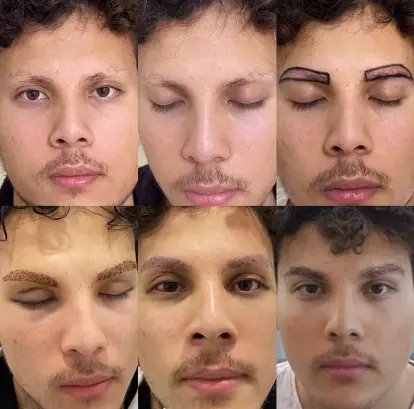
Discover expert hair transplant aftercare techniques and common mistakes to avoid for optimal healing and natural-looking results. Professional guidance from our hair transplant clinic.
A successful hair transplant requires not only expert surgical technique but also proper aftercare to ensure optimal healing and natural-looking results. This comprehensive guide covers essential hair transplant aftercare tips and common mistakes to avoid. At Özlem Damar Hair Transplant Clinic, we believe that following the right post-operative care protocol is crucial for achieving the best possible outcomes from your hair transplant procedure.
1. Proper Washing Technique
One of the most critical aspects of hair transplant aftercare is learning how to wash your hair correctly. During the first few days after your procedure, you must be extremely gentle. Use lukewarm water and a mild, pH-balanced shampoo recommended by your surgeon. Gently pour water over the transplanted area and let it flow naturally—never rub or scrub the grafts. Pat dry with a soft towel, avoiding any friction that could dislodge the newly implanted follicles.
2. Protecting the Transplanted Area
Protecting your newly transplanted hair follicles is essential during the healing process. Avoid direct sunlight exposure for at least two weeks, as UV rays can damage the sensitive grafts. When going outside, always wear a loose-fitting hat or cap. Additionally, avoid touching, scratching, or picking at the transplanted area, as this can cause infection or dislodge the grafts before they have properly anchored.
3. Sleeping Position and Pillow Care
Your sleeping position significantly impacts the success of your hair transplant. For the first week, sleep with your head elevated at a 45-degree angle to reduce swelling. Use a travel pillow or stack multiple pillows to maintain this position. Sleep on your back to avoid putting pressure on the transplanted area. This positioning helps minimize swelling and ensures the grafts remain undisturbed during the critical initial healing phase.
4. Avoiding Physical Activities
Strenuous physical activities must be avoided during the first two weeks after your hair transplant. Activities that cause sweating, such as exercise, heavy lifting, or sports, can increase the risk of infection and may dislodge grafts. Light walking is acceptable, but anything that raises your heart rate significantly should be postponed. After two weeks, you can gradually resume normal activities, but always consult with your surgeon first.
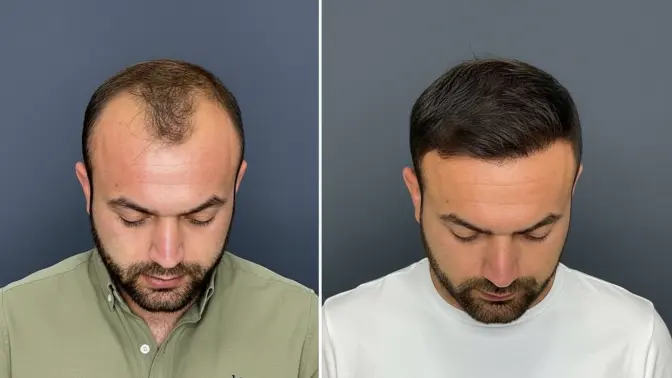
"The success of your hair transplant doesn't end in the operating room—it continues with dedicated aftercare and patience during the healing process."
MEDICATION AND SUPPLEMENTS
Following your surgeon's medication protocol is crucial for preventing infection and promoting healing. You'll typically be prescribed antibiotics to prevent infection and possibly anti-inflammatory medications to reduce swelling. Take all medications exactly as directed, and never skip doses. Some patients may also benefit from hair growth supplements like biotin, but always consult your surgeon before adding any supplements to your regimen.
At Özlem Damar Hair Transplant Clinic, we provide detailed medication schedules and are available to answer any questions about your post-operative care. Our team ensures you understand exactly when and how to take each medication for optimal results.
NUTRITION AND HYDRATION
Proper nutrition plays a vital role in the healing process after a hair transplant. Focus on a balanced diet rich in protein, vitamins, and minerals that support tissue repair and hair growth. Stay well-hydrated by drinking plenty of water throughout the day. Avoid alcohol and smoking, as these can impair healing and reduce blood flow to the scalp. Foods rich in vitamin C, zinc, and iron are particularly beneficial for promoting healthy hair growth during the recovery period.
SCAB FORMATION AND REMOVAL
Scab formation is a normal part of the healing process after a hair transplant. These scabs typically form within 24-48 hours and will naturally fall off within 7-10 days. Never pick or force the scabs off, as this can damage the grafts. Your surgeon will provide specific instructions on when and how to gently assist with scab removal, usually starting around day 7-10 with gentle washing techniques.
Remember, patience is key during the hair transplant recovery process. The transplanted hair will shed within 2-4 weeks after the procedure—this is completely normal and expected. New hair growth typically begins around 3-4 months, with full results visible after 12-18 months. By following these expert aftercare guidelines and maintaining regular follow-up appointments at Özlem Damar Hair Transplant Clinic, you can maximize your chances of achieving natural, long-lasting results.