Hair Transplant Donor Area: Complete Guide to Safe Extraction
Comprehensive guide to the donor area in hair transplant procedures. Learn about donor area selection, extraction techniques, limitations, and how surgeons maximize available grafts for optimal results.
The donor area is one of the most critical aspects of a successful hair transplant procedure. This region, typically located at the back and sides of the scalp, contains hair follicles that are genetically resistant to the hormone DHT, which causes pattern hair loss. Understanding the donor area, its limitations, and how surgeons extract grafts is essential for anyone considering a hair transplant. This comprehensive guide covers everything you need to know about the donor area and safe extraction techniques.
WHAT IS THE DONOR AREA?
The donor area refers to the region of the scalp (and sometimes body) from which hair follicles are extracted for transplantation. This area is typically located at the back and sides of the head, in what's known as the "permanent zone." Hair in this region is genetically programmed to resist DHT (dihydrotestosterone), the hormone responsible for pattern hair loss. This makes these follicles ideal for transplantation, as they will continue growing even after being moved to areas experiencing hair loss.
THE PERMANENT ZONE
The permanent zone is the safest area for graft extraction. It typically spans from ear to ear across the back of the head and extends down the sides. This zone is called "permanent" because hair in this area is least likely to be affected by pattern hair loss, even in cases of advanced baldness. Surgeons carefully map this zone during consultation to ensure they only extract from areas that will remain stable long-term.
DONOR AREA EVALUATION
Before a hair transplant, surgeons thoroughly evaluate the donor area to determine how many grafts can be safely extracted. This evaluation considers hair density, hair characteristics (thickness, texture, curl), scalp laxity, and the patient's age and hair loss pattern. Advanced techniques like densitometry help measure exact hair density, allowing surgeons to calculate the maximum number of grafts that can be extracted without over-harvesting.
EXTRACTION TECHNIQUES
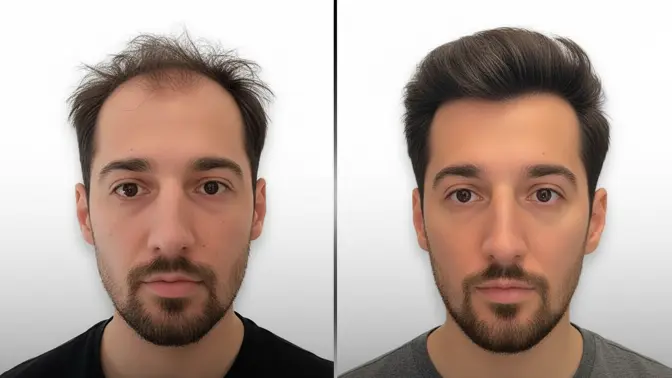
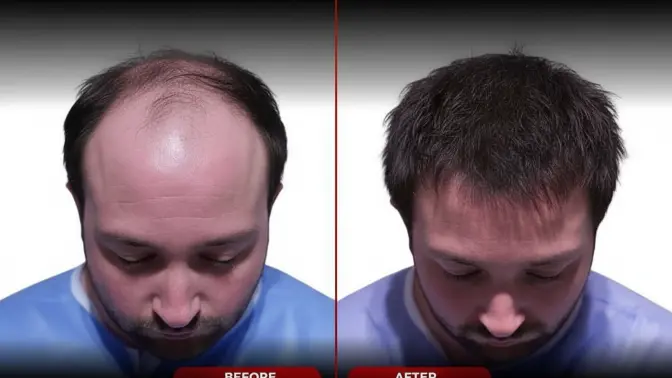
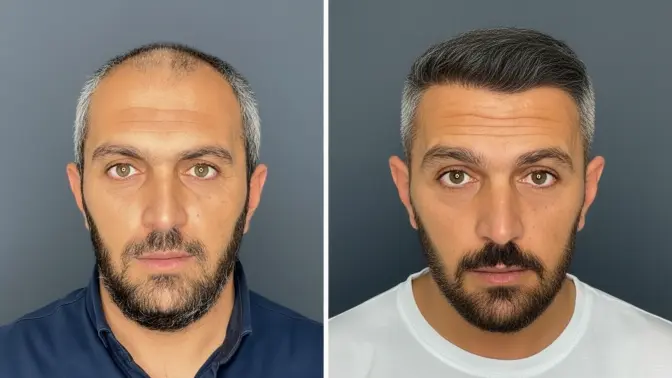
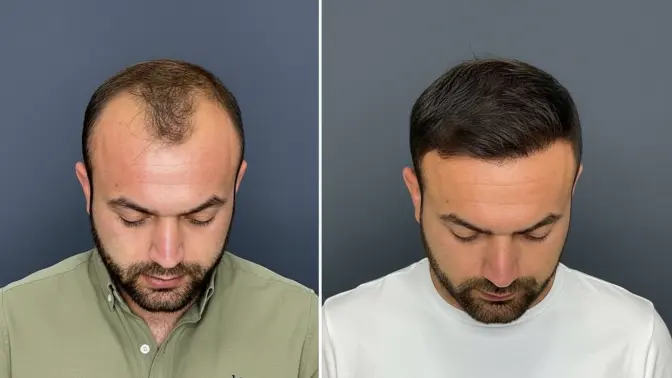
Modern FUE (Follicular Unit Extraction) techniques allow for precise, individual follicle extraction from the donor area. Surgeons use specialized micro-punch tools to extract each follicle unit, minimizing damage to surrounding tissue. The extraction pattern is carefully planned to maintain natural density in the donor area while maximizing the number of available grafts. Advanced techniques ensure that even after extraction, the donor area looks natural and undetectable.
DONOR AREA LIMITATIONS
Every patient has a finite number of grafts available in their donor area. This number varies based on individual characteristics but typically ranges from 4,000 to 8,000 grafts for most patients. Surgeons must balance extracting enough grafts to achieve desired results while preserving the donor area's appearance. Over-harvesting can lead to visible thinning in the donor area, which is why experienced surgeons carefully calculate safe extraction limits.
"A skilled surgeon knows how to maximize graft extraction while preserving the natural appearance of the donor area, ensuring both successful transplantation and donor area aesthetics."
BODY HAIR AS DONOR SOURCE
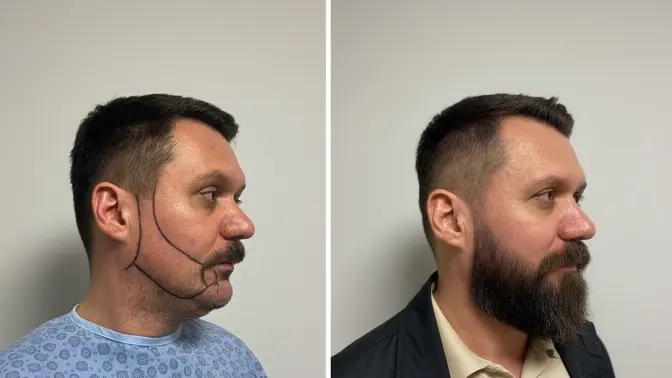
In some cases, when scalp donor area is limited, surgeons may use body hair as an additional donor source. Body hair transplantation (BHT) can utilize hair from the chest, beard, legs, or other body areas. However, body hair has different characteristics than scalp hair and requires specialized techniques. This approach is typically reserved for patients with extensive hair loss or limited scalp donor availability.
DONOR AREA RECOVERY
The donor area heals quickly after FUE extraction. Small extraction sites typically heal within 5-7 days, leaving tiny white dots that fade over time. With proper technique, the donor area should look completely normal once healed, with no visible signs of extraction. Patients can usually return to normal activities within a few days, though they should avoid direct sun exposure and follow their surgeon's specific aftercare instructions.